A comprehensive space to learn all about blood donation, community mobilization, collection sites, training, and key transfusion system data.

This is the WHO standard to meet a country's needs. And this requirement grows alongside the population.

A single blood unit can help multiple patients through the separation of components (red blood cells, plasma, and platelets).
The act is quick. Its impact, however, can change an entire lifetime.
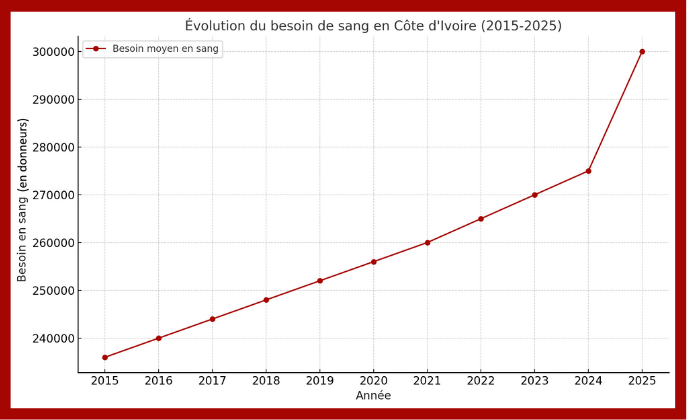
Before 2010: ~54% of needs met
2022–2024: 747,041 blood units collected
2025: 309,767 units collected (surpassing the 300,000 target)
2026: 330,000 units targeted
Mobile blood drives: File l’Espoir regularly organizes mobile drives in collaboration with universities, companies, and communities.
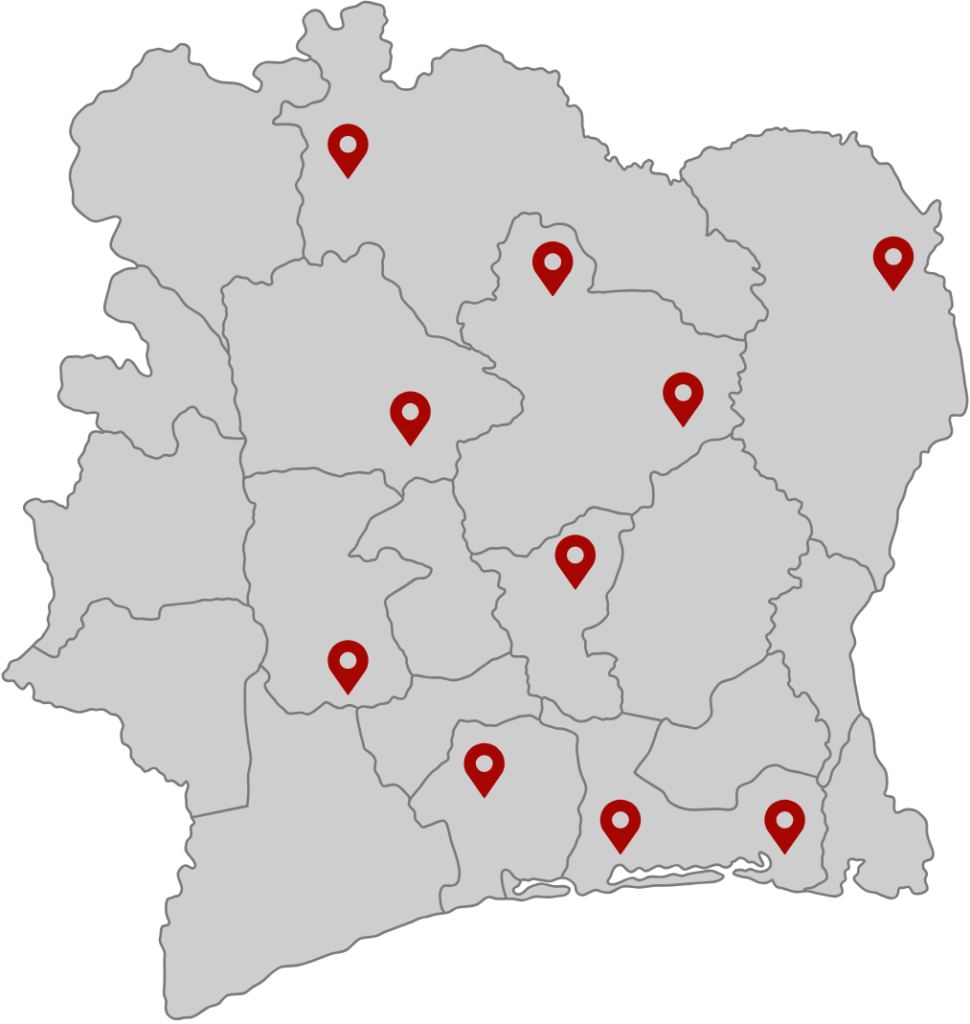
Fixed centers: Headquartered in Treichville (Bvd Marseille), with several other centers across Abidjan and throughout the country.
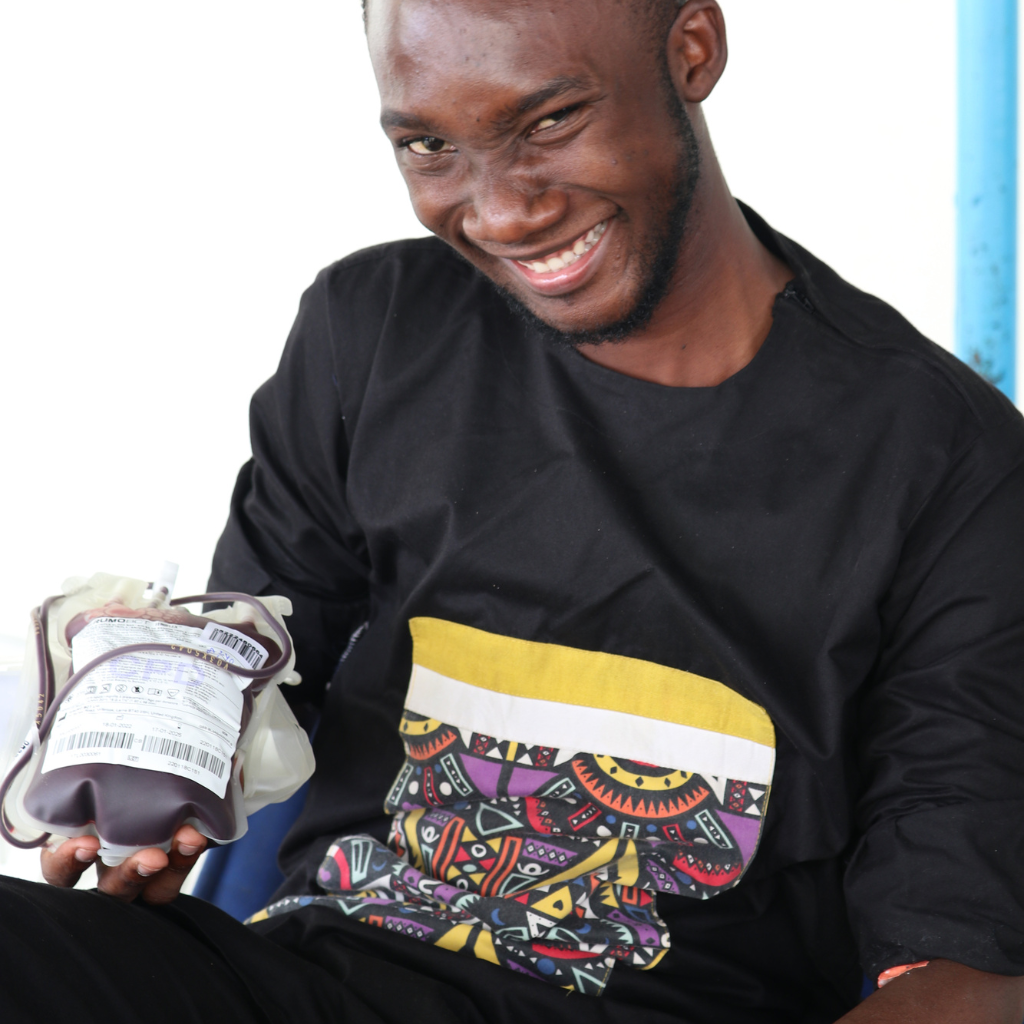
Blood donation is voluntary and entirely free. After the donation, each unit undergoes a rigorous process:
Safety testing to eliminate any infectious risks.
Processing into blood products (red blood cells, plasma, platelets).
Storage under strict conditions.
Distribution to hospitals 24/7.
This process costs the State of Côte d’Ivoire at least 50,000 FCFA per unit.
However, the price of 3,000 FCFA per unit, fixed since February 2022, is not for the purchase of blood itself. It helps support the organization of the donation system, including the transport stipend (2,000 FCFA or 1,000 FCFA granted to donors depending on conditions) as well as the snacks and refreshments provided to donors.
Regular donors with a donor card benefit from priority and free access to blood if needed for themselves, their parents, legal spouse, or minor children. If a regular donor is asked to pay, they can visit a CNTS-CI branch or request a refund.
Report abuse: In case of abuse or suspicious situations, you can report anonymously to 143 or 1613 (CNTS-CI toll-free numbers).
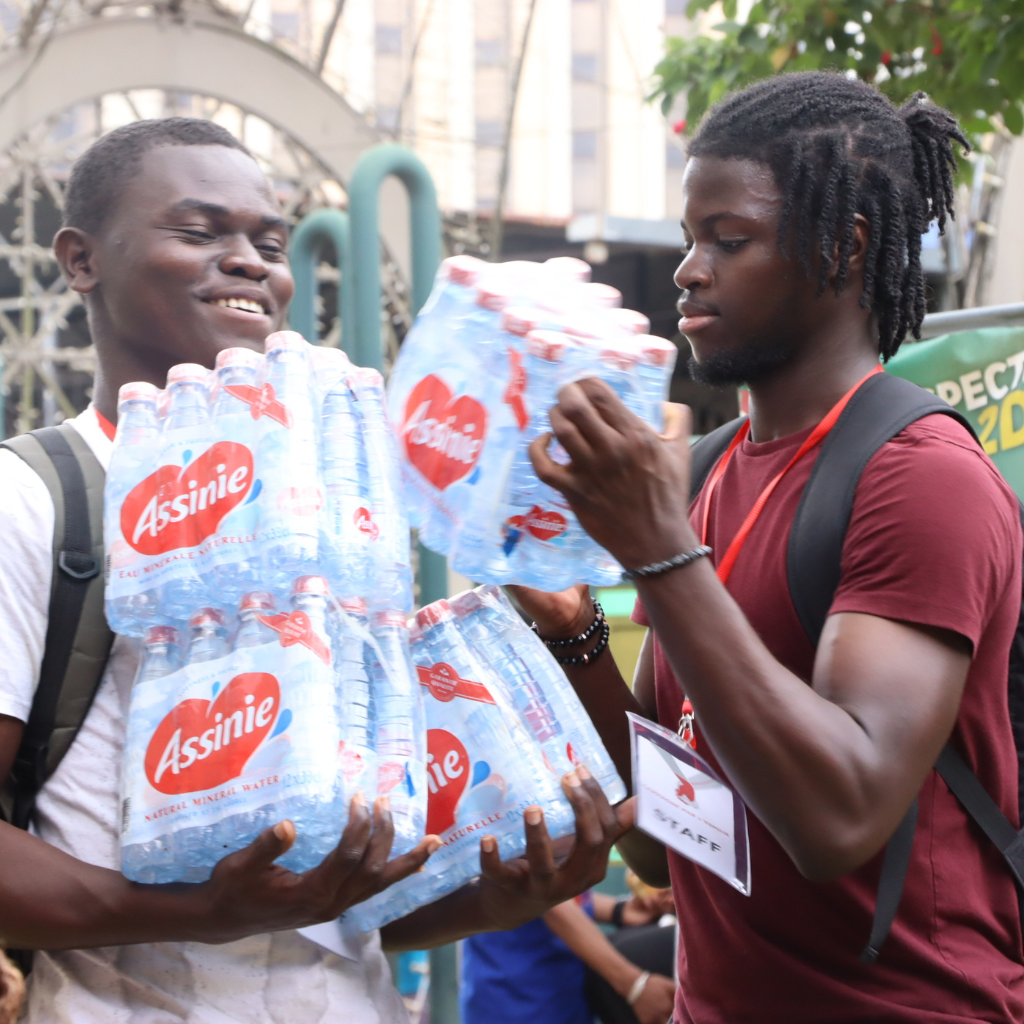
Absolutely not. To prevent dizziness or fainting, it is essential to eat and drink before donating. If you arrive without having eaten or being sufficiently hydrated, please inform the staff. Exceptionally, a snack may be provided before your donation. However, for your safety, you might be advised to postpone the donation to a later time.
In general, you must:
Be between 18 and 65 years old.
Weigh at least 50 kg (110 lbs).
Be in good health (no fever, flu, malaria, etc.).
Not be pregnant or breastfeeding.
Arrive well-hydrated and not on an empty stomach.
On the day before and the day of your donation, it is recommended to:
Avoid alcohol.
Eat iron-rich foods (red meat, fish, spinach, etc.).
Drink plenty of water.
Get a good night’s sleep.