file-lespoir.org

Resources to understand, act, and save lives in Côte d’Ivoire

A comprehensive space to learn all about blood donation, community mobilization, collection sites, training, and key transfusion system data.

Resources to understand, act, and save lives in Côte d’Ivoire

A comprehensive space to learn all about blood donation, community mobilization, collection sites, training, and key transfusion system data.

Everything you need to know about blood donation in Côte d’Ivoire

1 to 3% of donors

This is the WHO standard to meet a country’s blood needs.. And this requirement grows alongside the population.

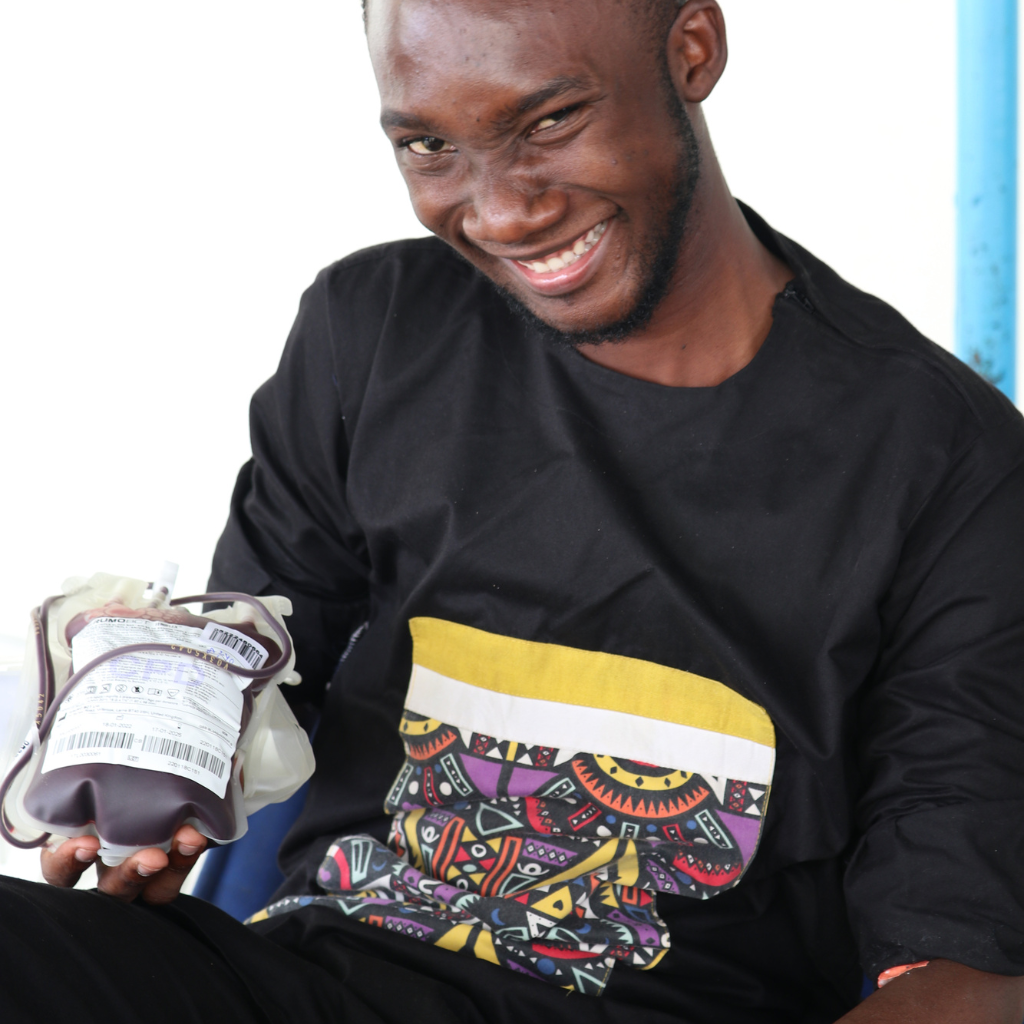
1 donation can save up to 3 lives

A single blood unit can help multiple patients through the separation of components (red blood cells, plasma, and platelets).
10 to 15 minutes

The act is quick. Its impact, however, can change an entire lifetime.
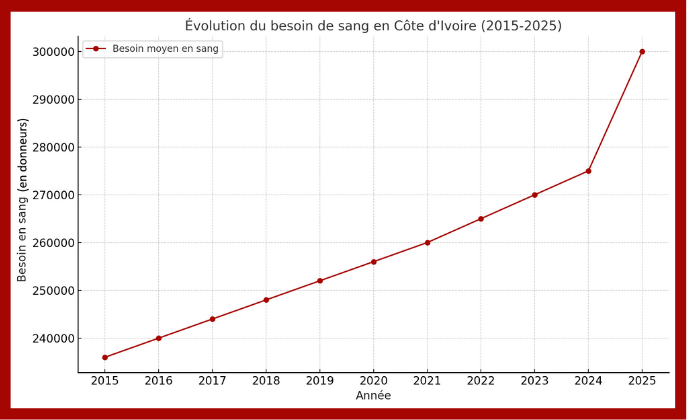
A historic improvement in just a few years

Before 2010: ~54% of needs met

2022–2024: 747,041 blood units collected

2025: 309,767 units collected (surpassing the 300,000 target)

2026: 330,000 units targeted

Where to donate blood in Côte d’Ivoire

Mobile blood drives: File l’Espoir regularly host mobile drives in collaboration with universities, companies, and communities.

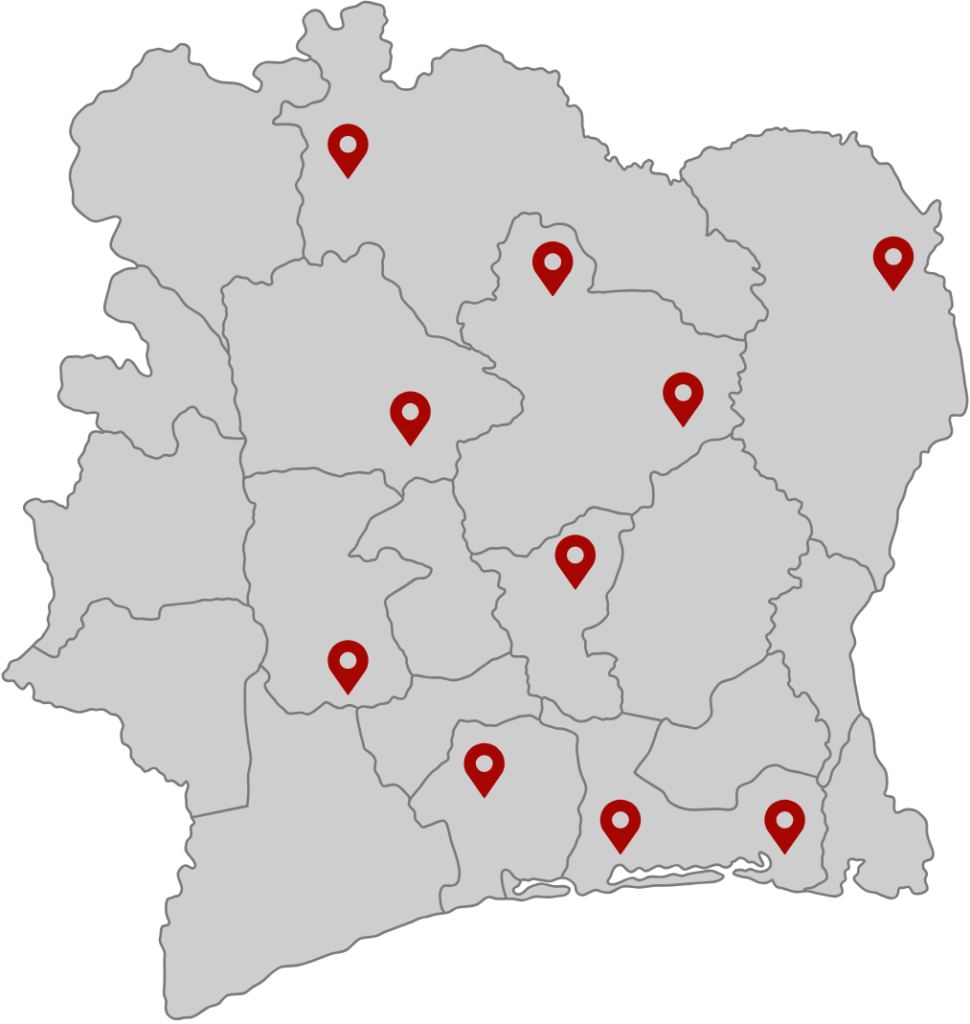
Fixed centers: Headquartered in Treichville (Bvd Marseille), with several other centers across Abidjan and throughout the country.

Frequently Asked Questions about Blood Donation

Blood donation is voluntary and completely unpaid. After donation, every blood unit goes through a rigorous process:

Safety testing to eliminate infectious risks
Separation into blood products (red blood cells, plasma, platelets)
Storage under strict conditions
Distribution to hospitals 24/7
This entire process costs the Ivorian government at least 50,000 FCFA (about $90) per unit.
However, the 3,000 FCFA (~$6) fee per blood unit, set since February 2022, is not the price of the blood itself. It helps support the blood donation system, including transport allowances for regular donors, as well as refreshments provided to donors.

Regular donors who hold a donor card benefit from priority and free access to blood for themselves, eligible parents, legal spouses, and minor children under CNTSCI conditions. If a regular donor is asked to pay, they may request reimbursement at a CNTSCI branch.
In case of abuse or suspicious practices, anonymous reports can be made through the hotlines

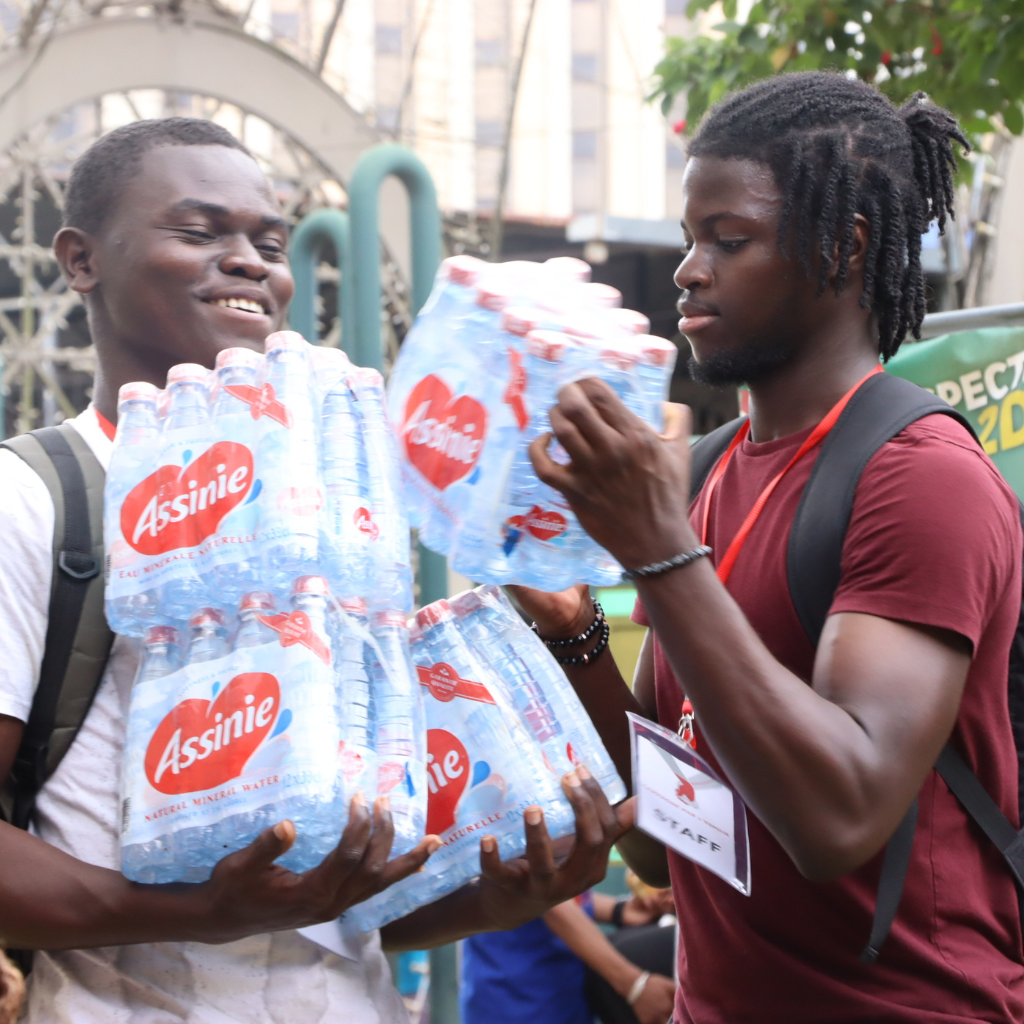
No. You should eat and drink before donating blood to reduce the risk of dizziness or discomfort. If you arrive without eating or drinking enough, inform the staff. In exceptional cases, a snack may be provided before donation, although you may also be advised to postpone your donation for safety reasons.

In general, you must:

  • Be between 18 and 65 years old
  • Weigh more than 50 kg
  • Not be sick (fever, flu, malaria, etc.)
  • Not be pregnant or breastfeeding
  • Be well hydrated and not fasting

The day before and the day of your donation, it is recommended to:

  • Avoid alcohol
  • Eat iron-rich foods such as red meat, fish, or spinach
  • Drink plenty of water
  • Get enough sleep

A question, an initiative, an idea, or a proposal? Contact us.